
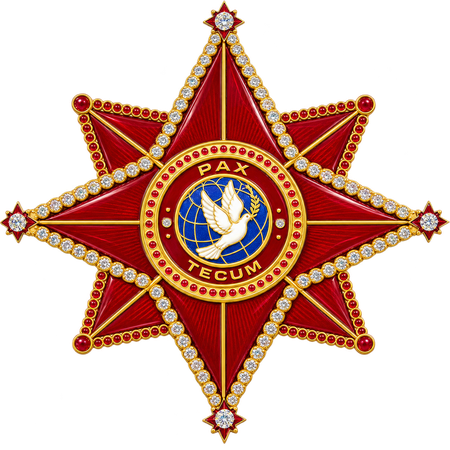
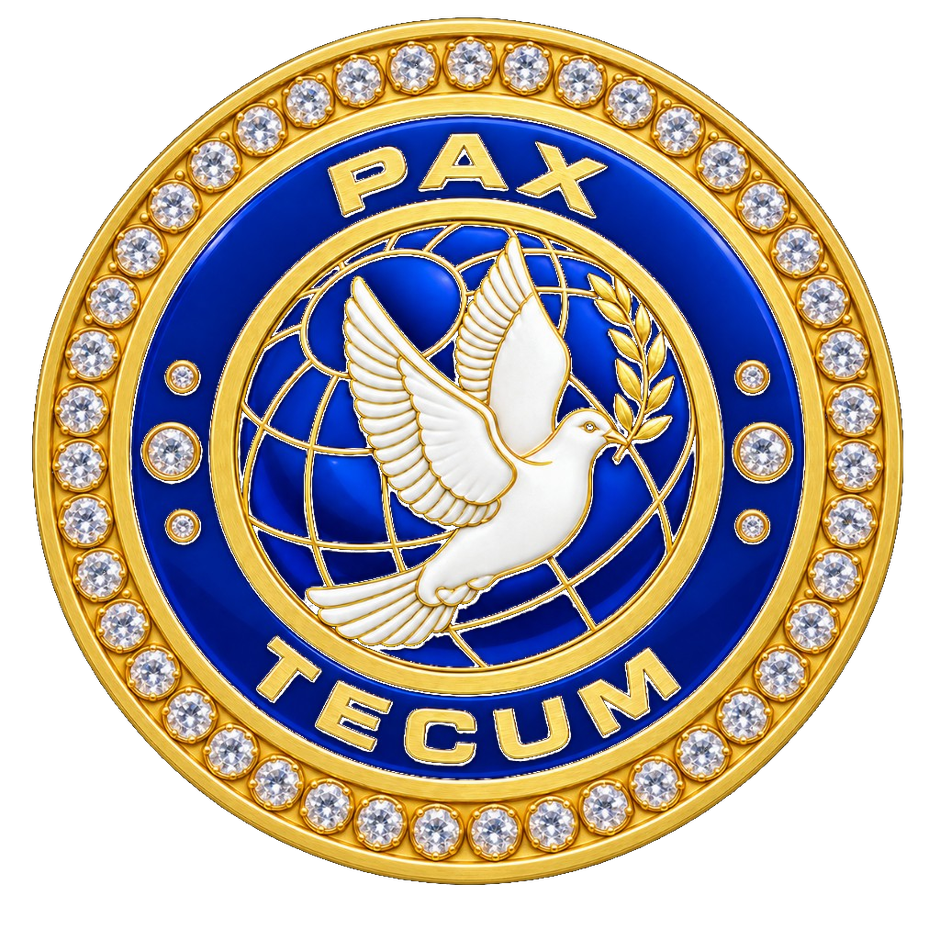
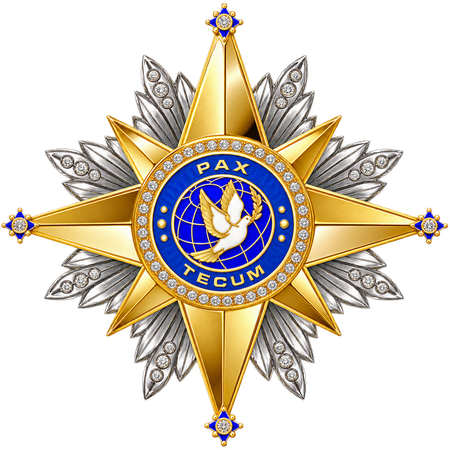
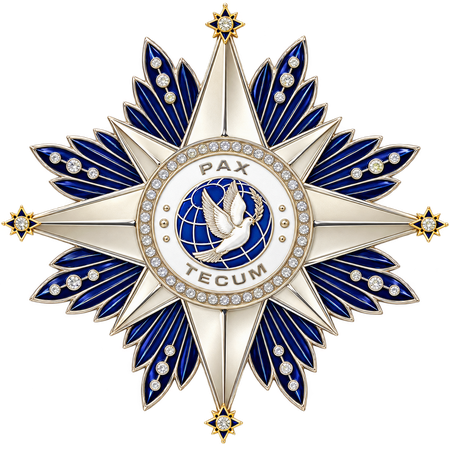
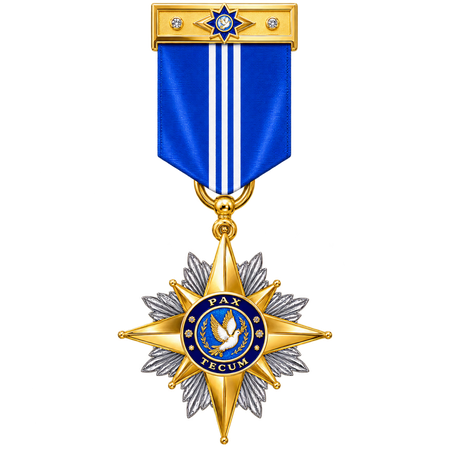
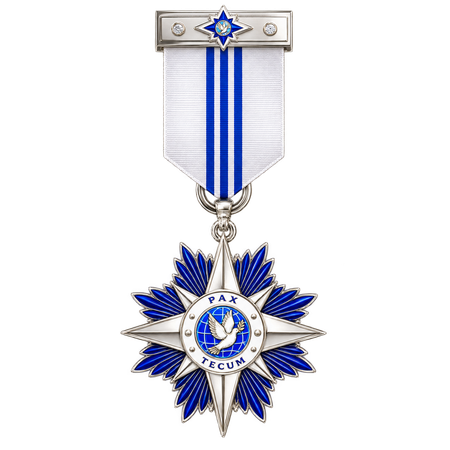
Ruby Star PAX TECUM
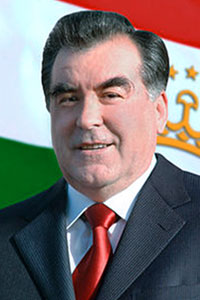
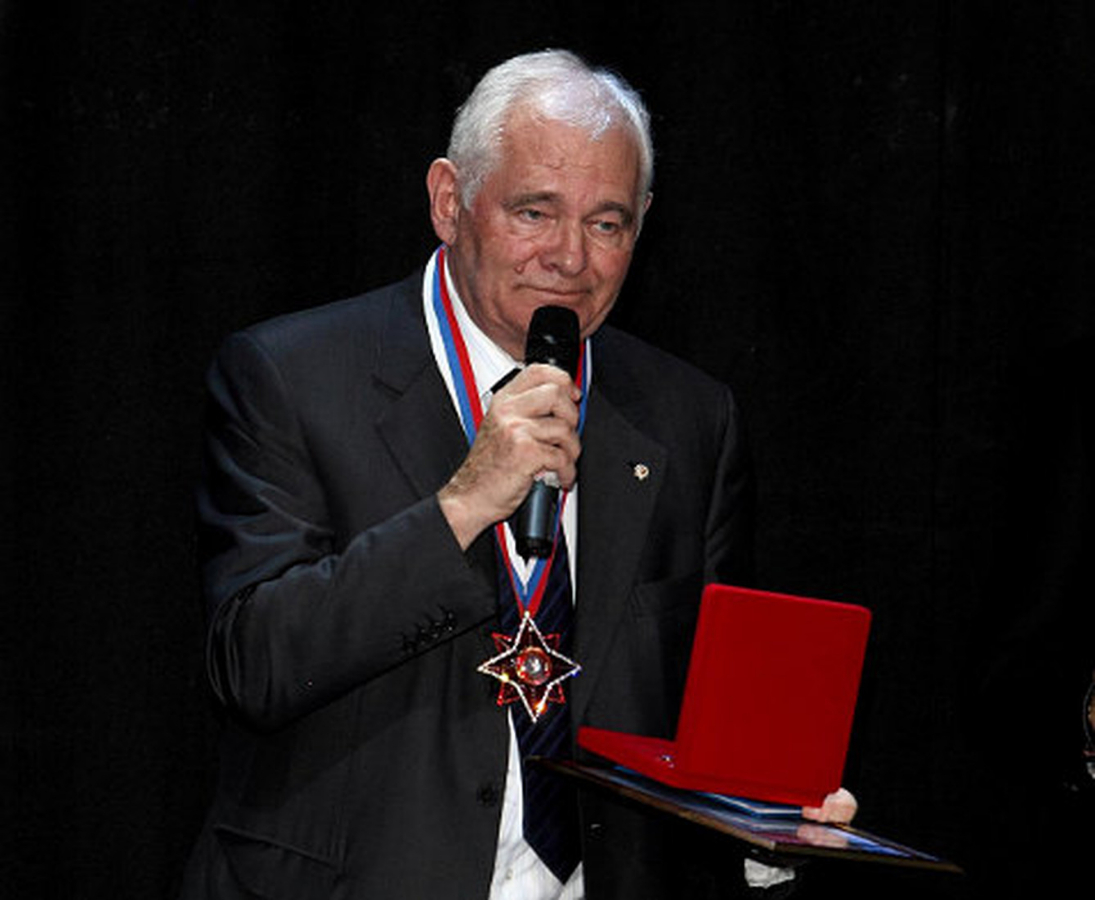
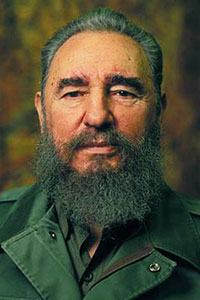
PAX TECUM
Peace throughout the world, the making of peace in the name of the continuation of life on the planet, creativity as an affirmation of universal human values and of the preservation of existing civilization. In present-day conditions these words have ceased to be merely beautiful slogans and have come to reflect people’s concern with questions of survival and with safeguarding humanity’s material, spiritual and socially significant achievements.
Wars, epidemics, hunger, poverty, ecological barbarism, the growth of aggressive manifestations of racial and national injustice — this is not a complete list of the challenges of our time facing people on every continent. Challenges that have no borders and that have only common solutions.
How can a reasonable person stand against these growing threats? What can reconcile people? What paths exist for uniting all the forces that strive for harmony and prosperity for the population of the Earth?
In V. I. Dahl’s Explanatory Dictionary of the Living Great Russian Language, the ancient tradition of reconciliation and the making of peace is defined by the word “mirit’” (to make peace). And those who bring reconciliation have in all ages been called peacemakers.
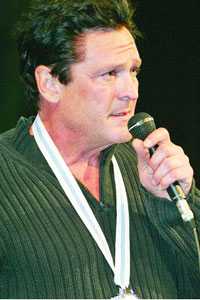
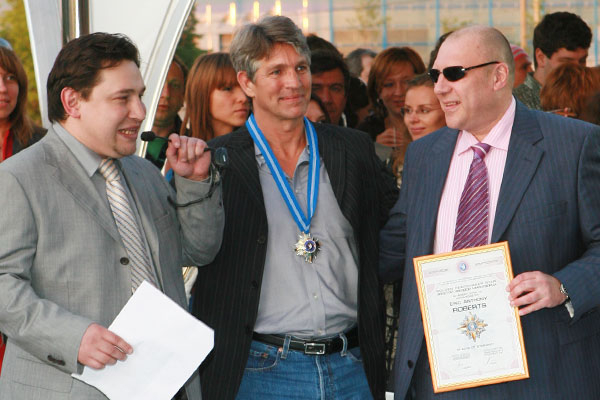
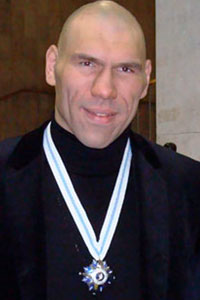
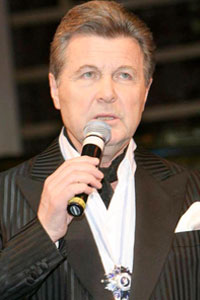
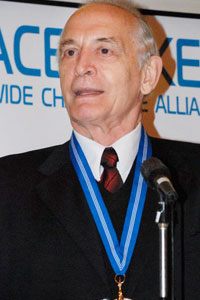
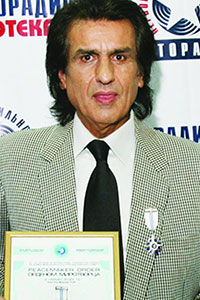
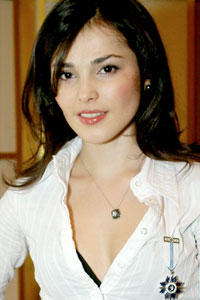
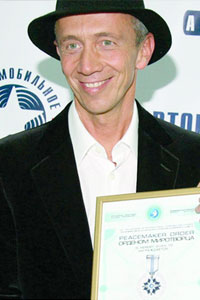
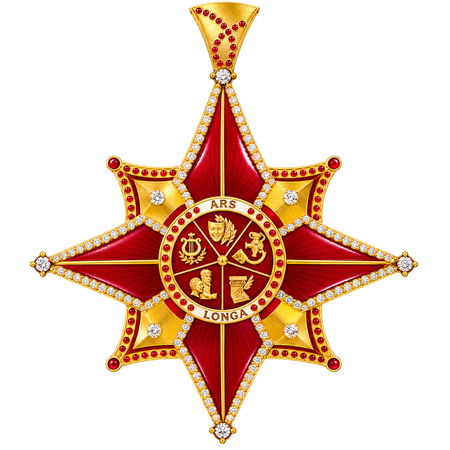
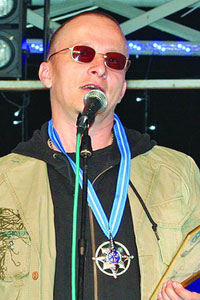
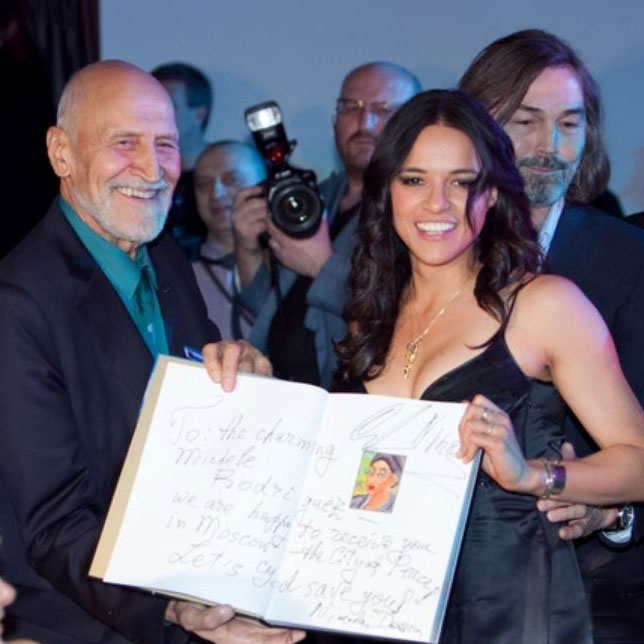
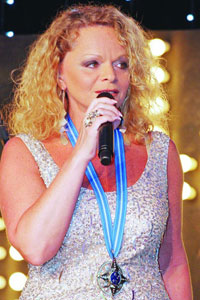
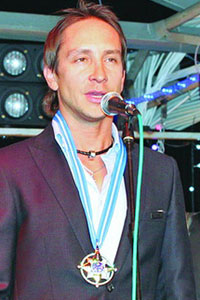
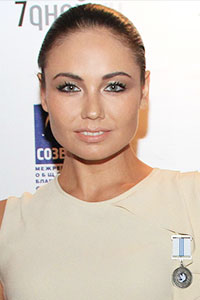
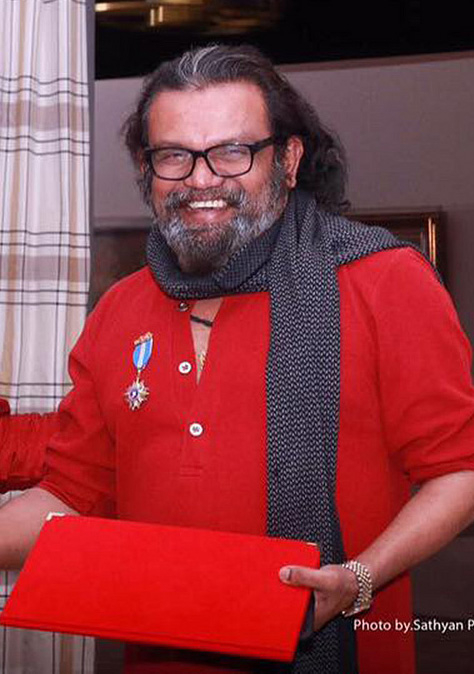
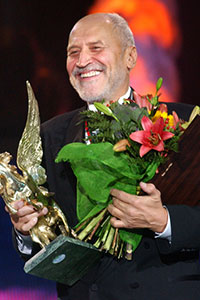
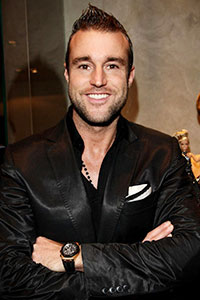
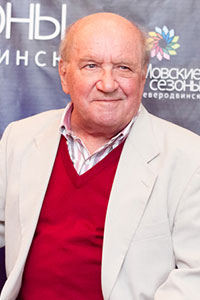
At the turn of the millennium it is clear that only the joint efforts of people from different countries can create a new system of relations in the world community — one that leads humanity toward creation and progress.
Recent history should be filled not with devastating wars, but with achievements in the field of peacemaking.
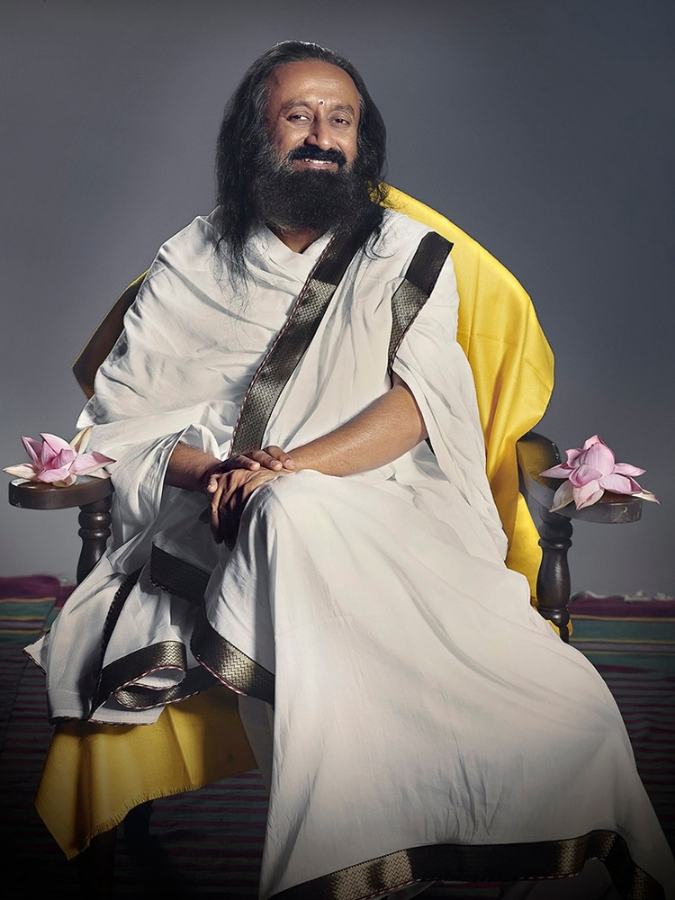
Peace can be defended not only with arms in hand. Every person is able to achieve personal and professional success, and also to create, helping to form public consciousness on the basis of enduring human values — humanism, tolerance and mercy. Such people are true peacemakers, worthy of international recognition and awards.
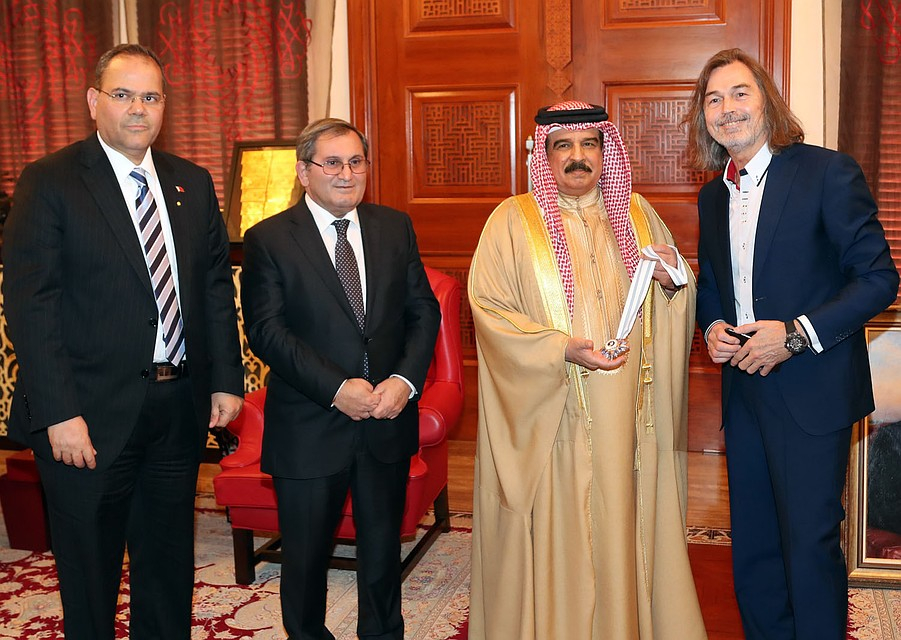
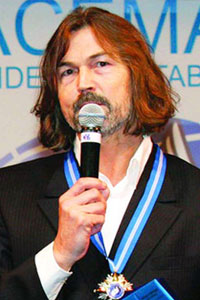
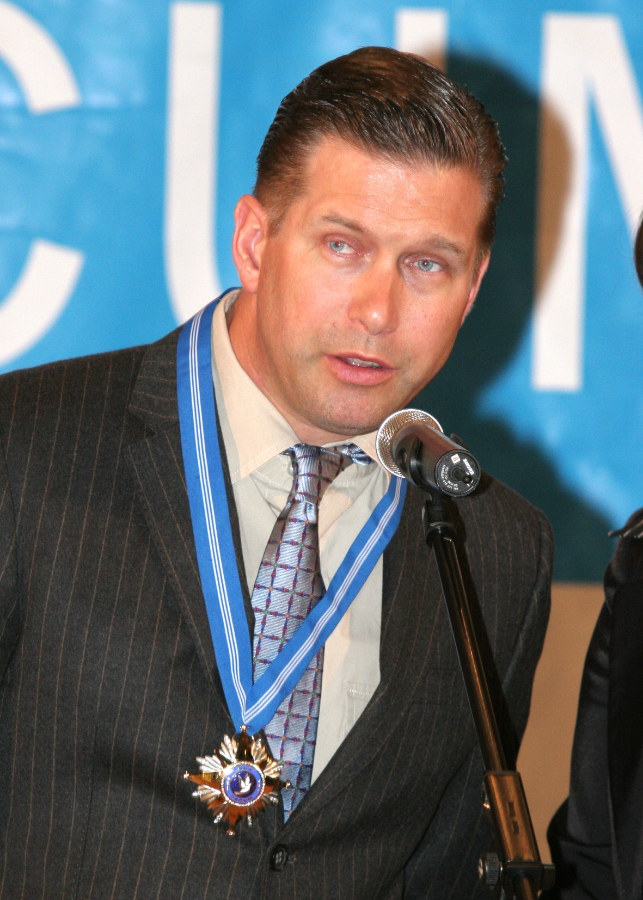
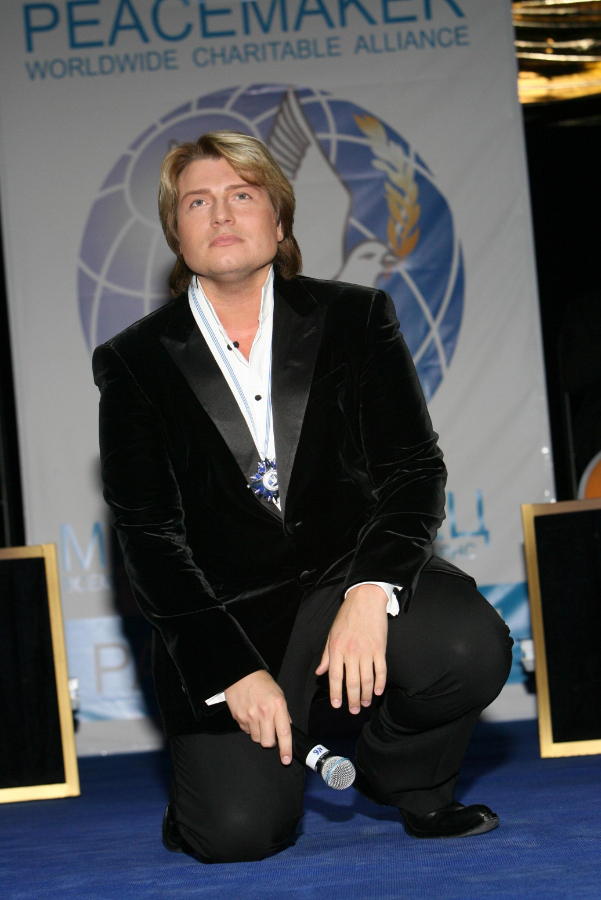
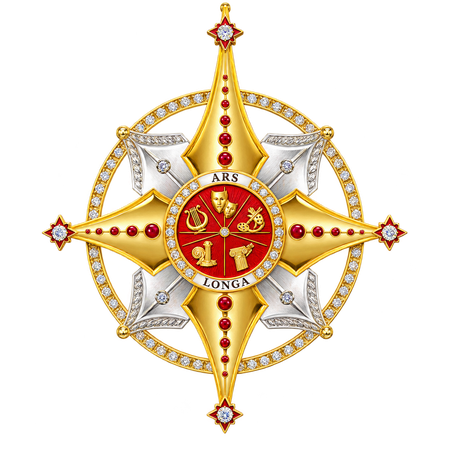
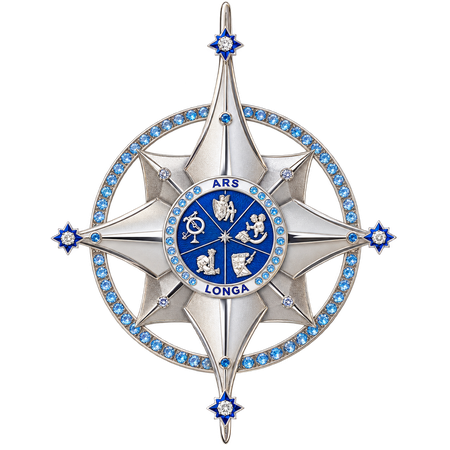
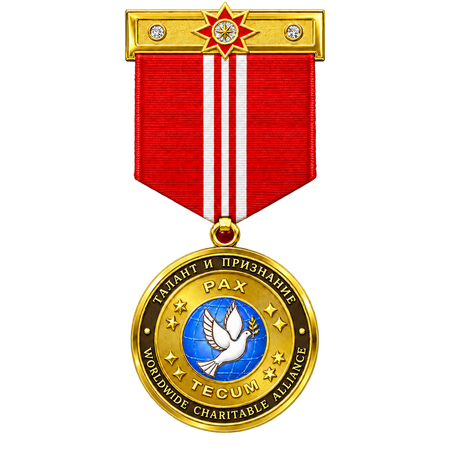
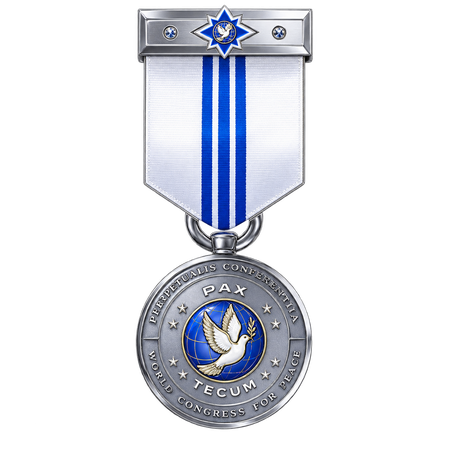
The World Public Award PAX TECUM «Peacemaker» is a specialised distinction, the highest recognition by society and by authority of the merits of heads of state, diplomats, political and public figures, outstanding scholars, athletes, representatives of every genre of contemporary art, and leaders in any profession, of any origin and faith, whose aspirations and public standing help prevent national, racial and religious conflicts and strengthen the ideas of peace in people’s minds.
1. General provisions. The Board of Trustees of the award reserves the right to reduce or expand the number of nominations on the basis of proposals from the National Councils of the Award.
2. Organisational structure of the Award. The working bodies of the Award are: the Board of Trustees; the National Councils of the Award; the Selection Committee of the Award.
3. Procedure for nominating candidates. The right to nominate candidates belongs to the National Councils following national selection stages. National Councils submit a reasoned presentation, recommendations and a description of the candidate’s achievements.
4. Procedure for conferring the Award. The Board of Trustees invites the National Councils to hold national selection stages. The Selection Committee considers the candidacies and communicates its decision to the Board of Trustees.